Lagoon 42
From €5,500 / week
Yacht type
Stability and space – the modern charter favorite
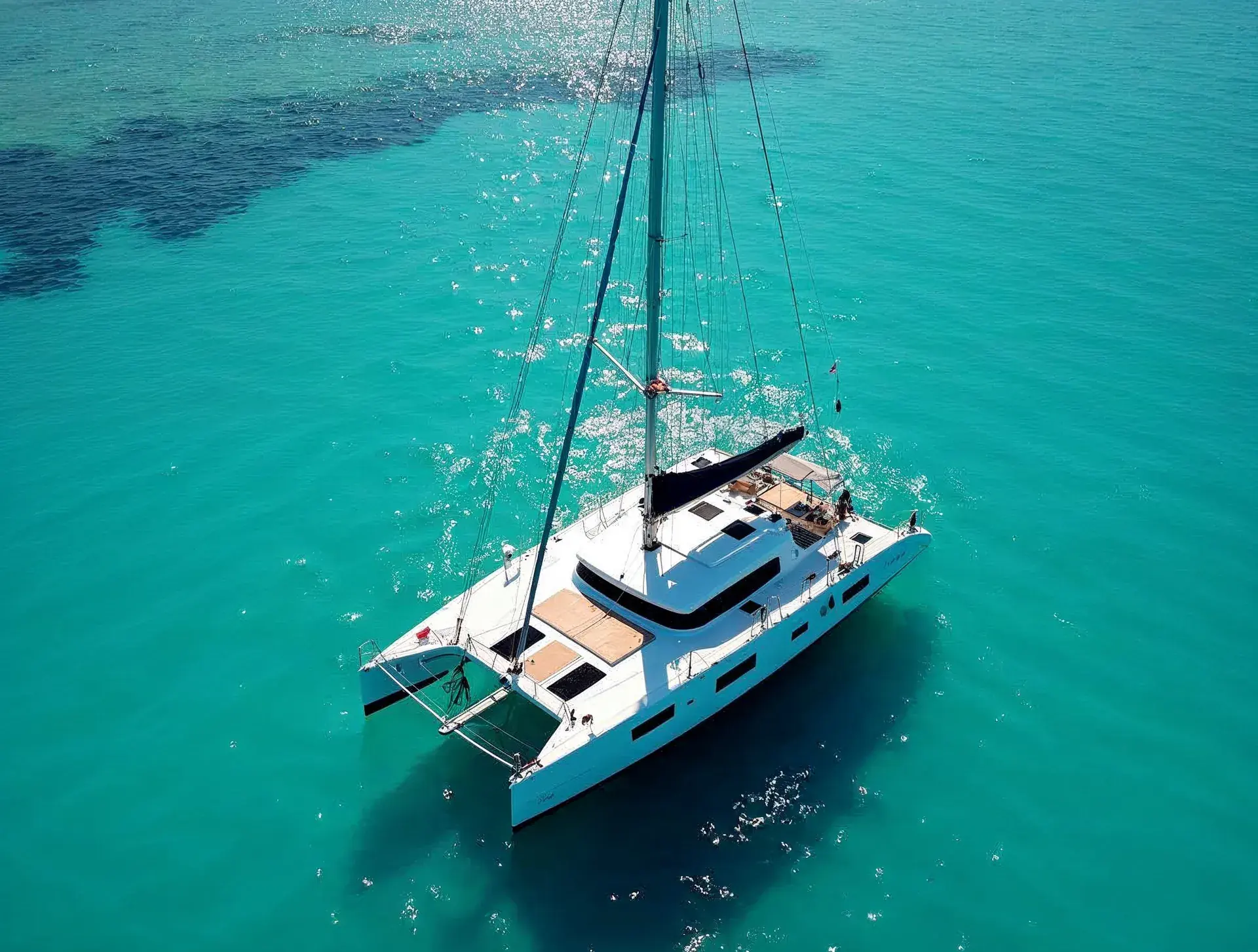
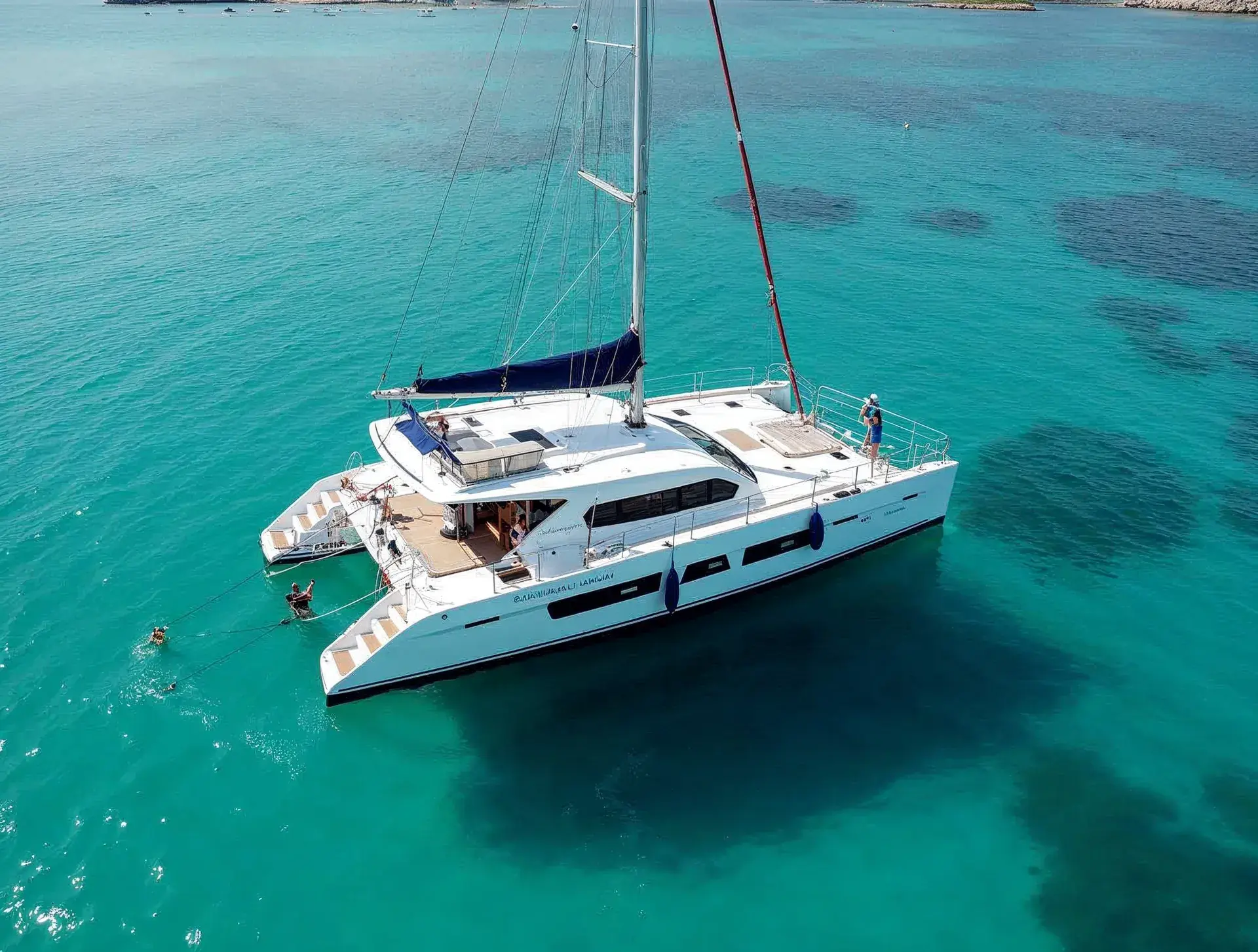
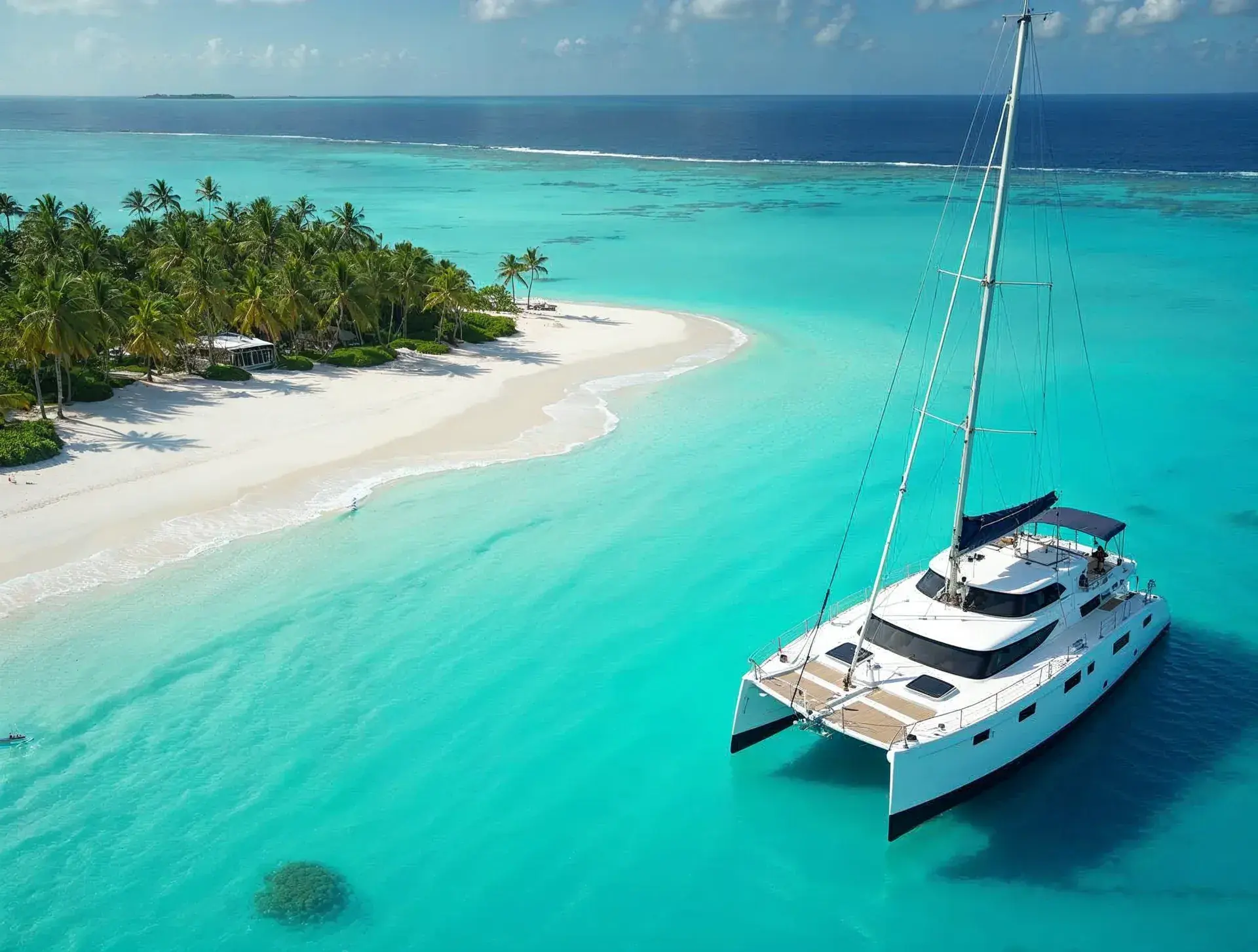
The catamaran is the fast-growing alternative to the classic sailing yacht, especially popular with families and groups. Two hulls mean more space, less heeling and a unique sailing experience. The broad platform gives a stable cockpit and a huge trampoline at the bow.
Catamarans have transformed the charter market in recent years. Their great strength is space: where a 12-metre sailing yacht may offer 3–4 cabins in a snug layout, a catamaran of the same length uses its twin-hull design to place separate cabin groups on either side, often with a private bathroom in each hull. The cockpit is spacious, the galley bright and the saloon airy.
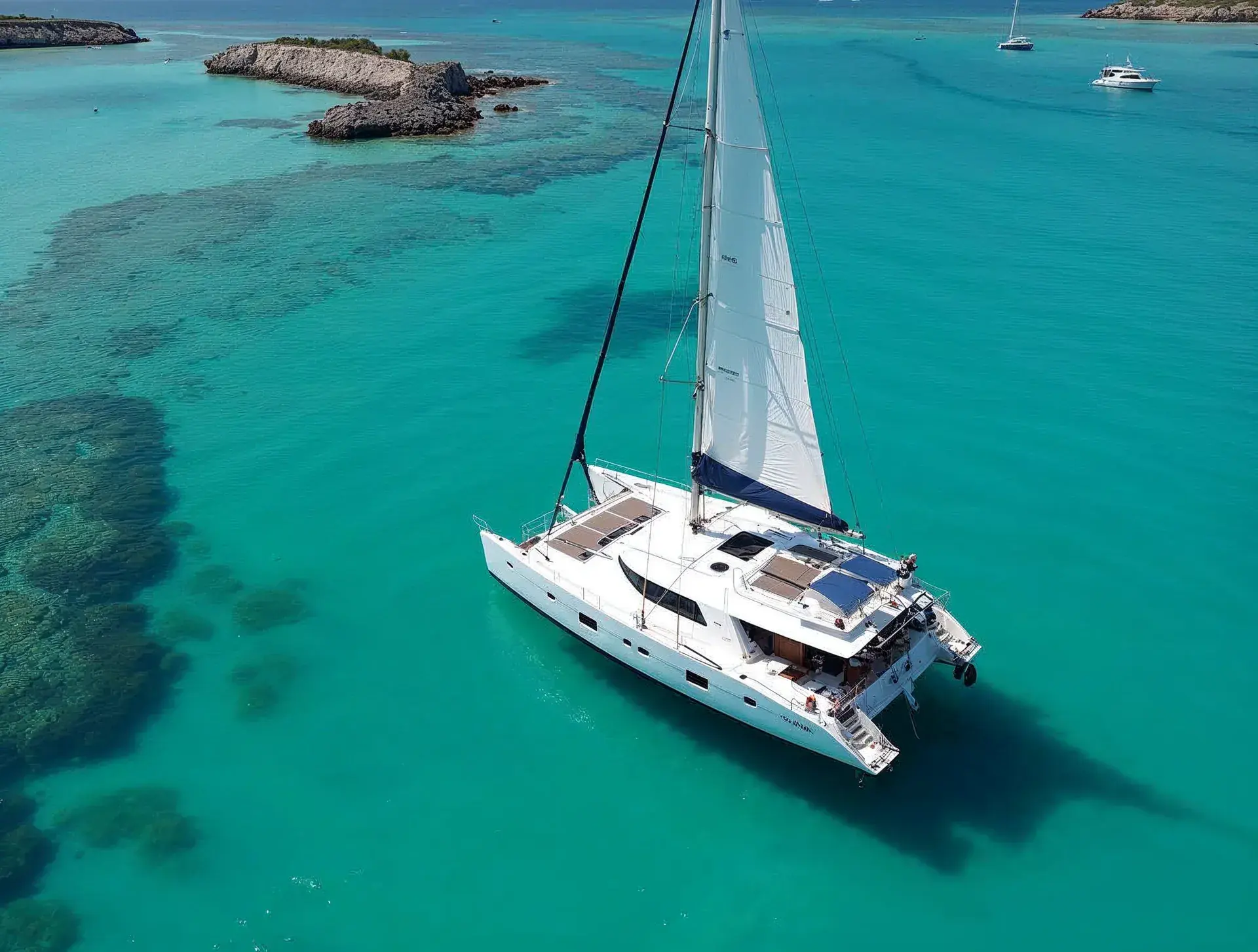
Catamarans sail upright, with hardly any heel even in stronger winds. That makes them ideal for sailors who dislike a steep angle of heel, and for families with children. Thanks to the shallow hulls, draft is low (often 1.0–1.3 m), so you can anchor in shallow bays that would be too shallow for a sailing yacht.
Performance under sail is surprisingly good on modern catamarans: on a reach they often reach higher speeds than comparable monohulls. Upwind they are somewhat slower, but noticeably more stable. The best-known charter catamarans come from Lagoon (Groupe Beneteau) and Leopard (Robertson & Caine).
Families with children benefit above all from the large, safe cockpit and the stable deck. Groups of up to 10–12 people will find much more comfort on a 12–14 m catamaran with 5–6 cabins than on a sailing yacht. The broad aft deck with its bathing platform makes getting into the water easy and safe.
Catamarans cost considerably more than comparable sailing yachts, typically 1.5 to 2 times as much. For groups who share the cost, however, the extra price shrinks considerably.
No, the same licence requirements apply to catamarans as to sailing yachts. An ICC, SKS or locally recognised sailing licence is sufficient. However, some charter companies ask for proof of catamaran experience.
Catamarans are more expensive to build (twin hulls, more material, a more elaborate rig). They also incur higher berthing fees, since they take up twice as much pontoon width.
Yes, with a skipper booked, a catamaran is also suitable for beginners. If you want to helm yourself, you should first have gained experience on sailing yachts. Dedicated catamaran courses are recommended.